
The Art of Shooting Great Brand Films
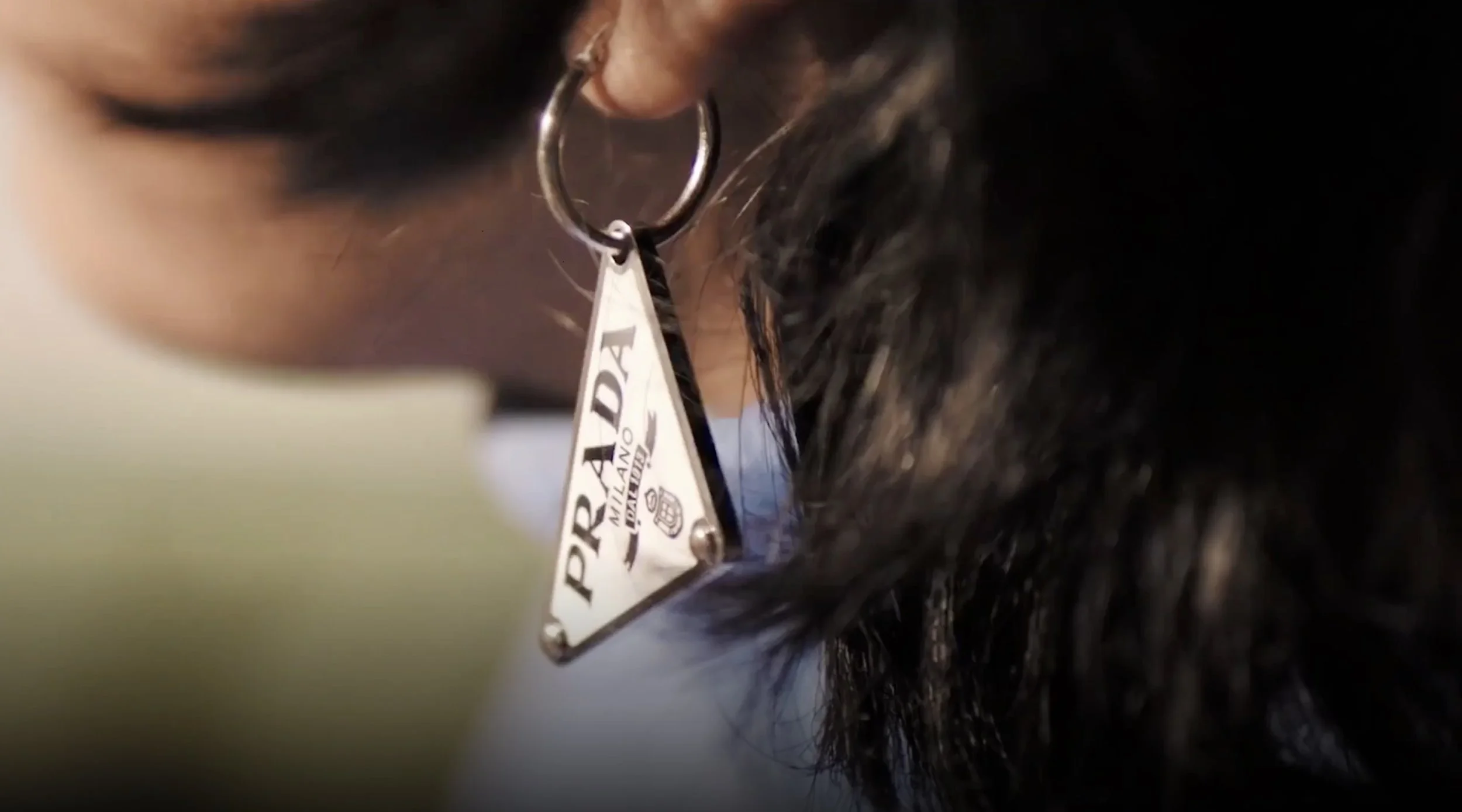
Walk through Paris early in the morning and you'll notice something curious. The baker arranging a single tart in the window doesn't simply place it there. The bookseller straightens the spine of a worn novel. A tailor brushes an invisible speck of lint from a jacket that most people would never notice. Even the waiter setting a café table understands that the experience begins long before anyone takes the first sip of coffee.
Growing up in France, I didn't think much about these rituals. They were simply part of everyday life. Beauty wasn't reserved for museums or luxury boutiques. It lived in ordinary moments, in craftsmanship, in restraint, in knowing that the smallest details often leave the deepest impression.
Only later, after working around the world as a filmmaker and photographer, did I realize how profoundly those experiences shaped the way I approach visual storytelling.
Today, whether I'm creating films for heritage luxury houses, emerging brands, hospitality groups, or innovative companies, I carry that same philosophy into every production — to deeply understand a brand before it is photographed.
That belief has guided my work from collaborations with iconic maisons such as Ralph Lauren, Dior, Guerlain, and brands within the LVMH family to businesses that may not yet be household names but possess something equally valuable: a story worth telling.
Because in the end, filmmaking isn't about making something look expensive. It's about revealing why something is valuable.
Luxury Isn't About Price. It's About Intention.
People often confuse luxury with excess. I don't. The greatest luxury brands in the world rarely shout. They whisper. They understand proportion. They understand patience. They understand that anticipation can be more powerful than immediate gratification.
When you've spent time observing brands like Dior or Guerlain, you begin to notice that their strength isn't simply in beautiful products. It's in consistency. Every image, every texture, every movement, every campaign reinforces the same emotional universe. Nothing feels accidental. That level of discipline has had a tremendous influence on my own work.
When I begin developing a brand film, I don't immediately ask what we should shoot. I ask what people should feel. Should the audience experience confidence? Wonder? Sophistication? Freedom? Trust? Curiosity?
The camera simply becomes the tool that allows us to translate emotion into imagery. Without that emotional foundation, even the most technically perfect production can feel empty.
Every Brand Already Has a Personality
One of the greatest misconceptions in commercial filmmaking is that the filmmaker creates the brand identity. I don't believe that's true. The identity already exists. My responsibility is to discover it.
I want to understand why the company exists. Why did the founder begin? What problem are they solving? What values refuse to change? How do they want customers to feel after every interaction? Only then do visual ideas begin appearing. Sometimes a location suddenly makes sense. Sometimes a lens choice becomes obvious. Sometimes the movement of light across a room says more than dialogue ever could. The strongest creative decisions rarely arrive through forcing ideas. They emerge from understanding.
French Elegance Is Often Invisible
People sometimes ask what defines French style. It's difficult to explain because it often isn't about adding something. It's about removing everything unnecessary. There is confidence in simplicity. Space becomes part of the composition. Silence becomes part of the soundtrack. A single meaningful gesture becomes more memorable than twenty dramatic ones.
This philosophy influences nearly every frame I create. Rather than overwhelming viewers with constant movement, I often look for the moment just before something happens. The pause. The glance. The hand reaching naturally toward an object. The reflection that exists for only a second. These quiet moments invite the audience into the story instead of demanding their attention. Ironically, they often become the shots people remember most.
Cinematic Storytelling Creates Emotional Value
We live in an extraordinary time. Every company can publish content. Every phone can record video. AI can generate almost anything imaginable. Yet despite all of these technological advances, audiences still recognize authenticity almost instantly. They know when something has been carefully observed. They know when emotion is genuine. They know when someone behind the camera truly cared.
That's why cinematic storytelling continues to matter. A well-crafted brand film doesn't simply explain what a company does. It allows people to experience the feeling of the brand before they ever become customers. That emotional connection changes everything. People rarely remember specifications. They remember how something made them feel.
The Camera Notices What Most People Miss
One of my favorite parts of filmmaking happens long before we press record. I'm constantly observing. The way sunlight falls across textured fabric. The reflection inside polished metal. The rhythm of someone working with their hands. The geometry created by architecture. The contrast between movement and stillness. The angle where a product suddenly becomes sculptural.
Many of these details go unnoticed in everyday life. But cinema gives us permission to slow down. To look longer. To appreciate the extraordinary inside what first appears ordinary. Those discoveries often become the most powerful visual moments in a film. Not because they're dramatic. Because they're honest.
Craftsmanship Deserves Craftsmanship
I've always admired people who dedicate themselves to mastering their craft. Whether they're perfumers, watchmakers, chefs, architects, fashion designers, furniture makers, winemakers, or artists. Their work reflects years—sometimes generations—of accumulated knowledge.
Creating films for brands like these carries a certain responsibility. If someone has spent decades perfecting a product, the imagery should reflect equal care. That doesn't necessarily mean larger budgets. It means thoughtful decisions. Choosing the right light instead of simply adding more lights. Selecting the right location instead of the most expensive location. Waiting for the perfect moment instead of rushing through the schedule. Polishing every edit. Refining every sound. Ensuring every frame contributes to the larger story. Craft recognizes craft. People may not consciously identify every decision that went into a film. But they absolutely feel the difference.
Film Is Built Long Before Production Begins
Many clients imagine filmmaking starts on the first day of shooting. In reality, that's often the easiest part. The real work begins much earlier.
Research. Listening. Exploration. Mood boards. Creative conversations. Story development. Location scouting. Visual references. Music inspiration. Shot design. Understanding how every sequence connects emotionally.
By the time cameras arrive, many of the most important creative decisions have already been made. Production becomes less about discovering the story and more about bringing it to life. Preparation creates freedom.
Technology Will Continue Changing. Human Emotion Won't.
I embrace innovation. Technology has opened incredible creative possibilities that simply didn't exist a decade ago. But no technology replaces taste. No algorithm replaces empathy. No software replaces human curiosity.
The brands that endure are those that continue creating emotional resonance. Film remains one of the most powerful ways to accomplish that because it combines image, sound, rhythm, movement, atmosphere, and performance into a single experience. It's not simply communication. It's immersion.
Every Frame Should Strengthen the Brand
When viewers finish watching a brand film, I hope they don't primarily remember the cinematography, the camera movement or the editing. Those elements should quietly support something much larger…The brand itself.
Great cinematography should never compete with the story. It should elevate it. If the audience leaves feeling more connected to the company than to the filmmaker, we've succeeded. That's the highest compliment I can receive!
Why We Founded O&N Films
When my creative partner Noah and I founded O&N Films, we shared a simple belief. Brands deserve films with the same artistic care traditionally reserved for cinema. Not because every commercial should resemble a feature film, but because every meaningful story deserves intention. We don't approach projects as content factories. We approach them as storytellers.
Whether we're producing a luxury campaign, documenting artisans at work, creating social films, directing branded documentaries, or developing original concepts from the ground up, our goal remains the same — reveal the humanity behind the brand. Because that's where lasting connection begins.
Looking Beyond the Product
Products matter. Services matter. Innovation matters. But what people truly invest in is meaning. The brands that inspire loyalty aren't simply selling objects. They're inviting people into a way of seeing the world.
Film has an extraordinary ability to communicate that invitation. A carefully chosen location can express heritage. A close-up of skilled hands can communicate trust. Natural light can suggest honesty. Measured pacing can create confidence. The smallest visual decisions quietly shape how audiences perceive an entire company. That's why filmmaking has always fascinated me. It combines art with psychology, aesthetics with strategy, emotion with precision. Done thoughtfully, it doesn't merely document a brand. It expands its presence in people's minds long after the screen goes dark.
That is the kind of storytelling we believe in at O&N Films. Not louder stories. More human ones. Because when craftsmanship, authenticity, and cinematic vision come together, something remarkable happens.
People don't just watch. They remember.